AI has transformed content creation. Tools that once seemed like science fiction now generate entire blog posts in seconds. Marketing teams that once struggled to produce one article weekly now face the opposite problem: too much content, nowhere to put it.
The Generation vs. Distribution Gap
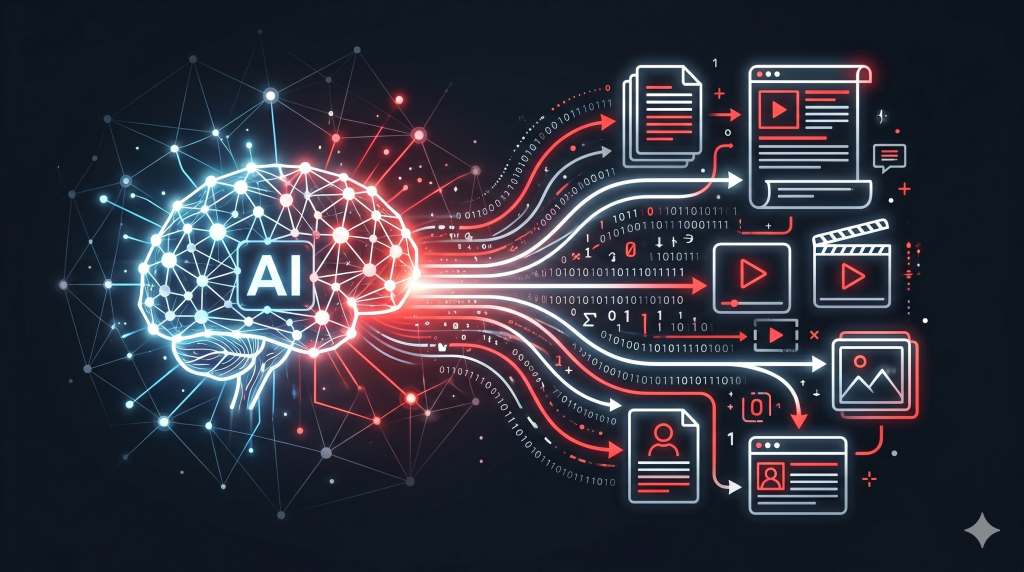
ChatGPT, Claude, and similar tools have solved creation. They’ve solved ideation. But they haven’t solved distribution—the step that actually gets content live.
A marketer generates an AI-written article. They edit it. It’s approved. Then what? If they’re managing multiple websites or environments, content movement becomes the bottleneck again. Upload here, format there, test on staging, hope nothing breaks in production.
This is the disconnect: AI excels at generation. WordPress excels at publishing. But the bridge between them remains manual.
Content as Infrastructure
Smart organizations are starting to treat content like software. Versioned. Tested. Deployed to multiple environments. This approach works because content is infrastructure—it affects user experience, SEO, conversion rates.
When content is infrastructure, it needs infrastructure thinking. Staging environments to preview changes. Version control. Automated deployment. Rollback capabilities when something goes wrong.
The Multi-Environment Reality
Modern marketing teams operate across multiple platforms. Website. Blog. Email. Social. Each requires different formats. AI generates raw content; teams adapt it per platform. The duplication multiplies effort.
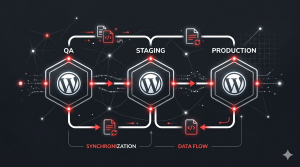
Then add multi-environment complexity. A global team might need content in QA (for client review), staging (for testing), and production (for publishing). Managing this across regions becomes organizational chaos.
Closing the Gap
The solution combines two insights: automate content generation (we’ve done this) and automate content distribution (we’re starting to).
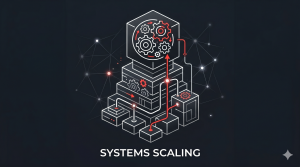
When you can write content in one environment, approve it, and deploy it across all platforms and environments simultaneously, everything changes. Content velocity increases. Teams scale without hiring. Quality improves because processes are repeatable.
AI handles creation. Smart distribution handles everything else.